
Inside the Suba South Mentorship Program: What Happens When a Community Shows Up for Its Students
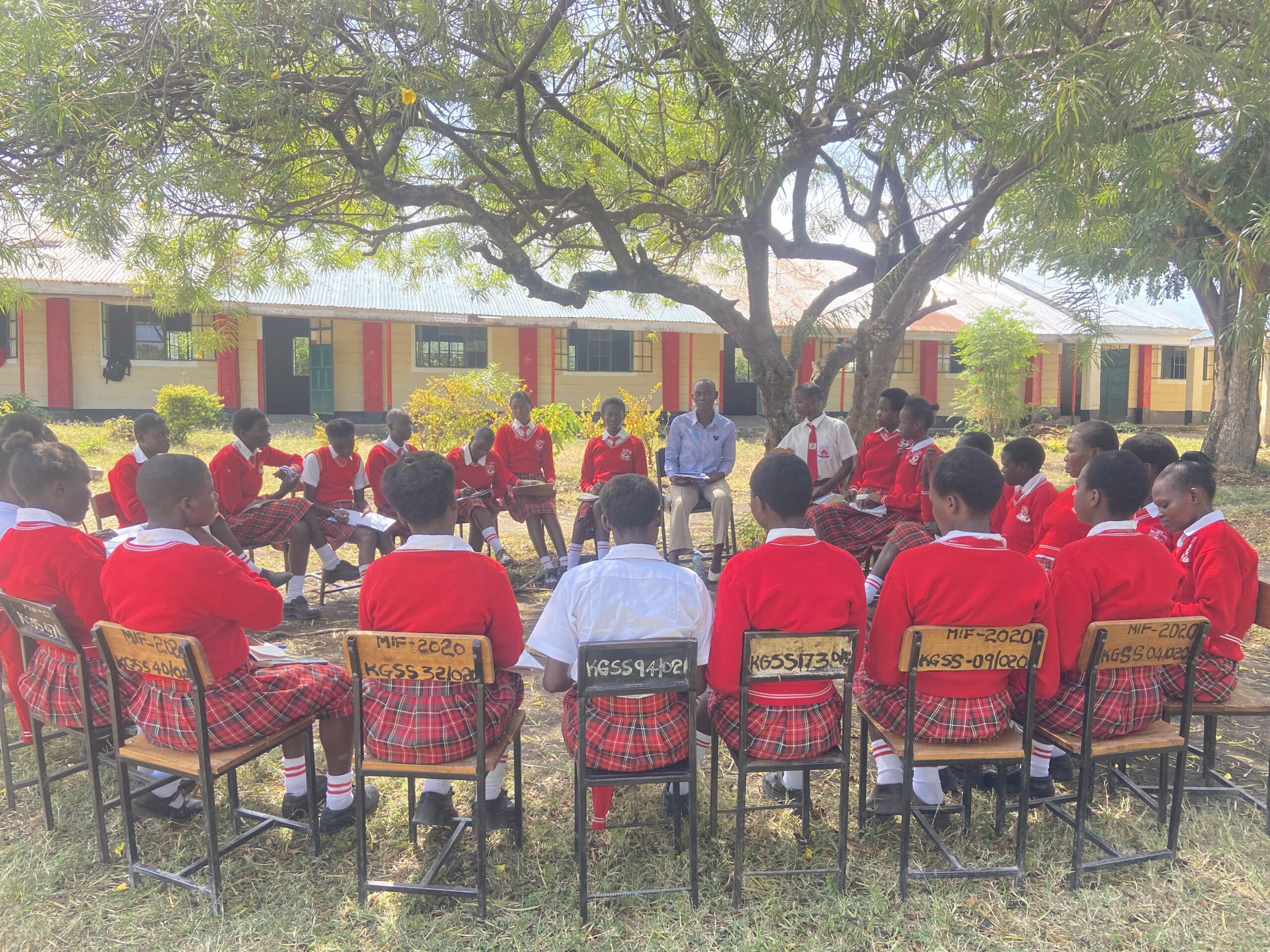
Every classroom holds students full of potential. But potential does not grow on its own it needs someone to notice it, nurture it, and give it room to develop. That belief sits at the heart of the Suba South Mentorship Program, a research-driven mentorship initiative that Tumaini Action CBO carried out across Suba South this past month.
By the end of it, the numbers told part of the story: 16 schools, 100+ teachers, and more than 2,000 students reached. But the fuller story lives in the details behind those numbers.
Why Suba South
In many schools across Suba South, students face barriers that have nothing to do with ability. Limited access to mentors. A shortage of learning materials. Sometimes, simply the absence of an adult outside the family who takes the time to ask, “How are you doing?”
Those gaps do not show up on a report card, but they shape whether a student stays engaged, keeps showing up, or quietly falls behind. The Suba South Mentorship Program was built to close that gap not by replacing what schools already do, but by standing alongside teachers and students to strengthen it.
What the Program Actually Did
Before any mentorship session began, the groundwork mattered. The team met with head teachers across the 16 participating schools to understand what each school actually needed, since no two schools carried the same challenges. From there, the program moved on several fronts at once:
Teacher training. Mentorship does not end when a program’s team leaves the classroom. Over 100 teachers took part in training designed to strengthen how they guide and support their own students well beyond the life of this program.
A research component. Alongside mentorship, the team gathered insights directly from schools to understand the real challenges students face. The goal was simple: let future programs be shaped by evidence gathered on the ground, not assumptions made from a distance.
Dignity packs and learning materials. For many students, a small, practical barrier can be the difference between fully participating in class and quietly falling behind. Every one of the 2,000+ students reached received materials to support their learning, alongside dignity packs designed to help them stay in class with confidence.
The Moments That Mattered Most
Numbers describe scale. They do not always describe change. Some of that came through in the stories mentors carried back with them.
In one school, a Kiswahili teacher who had been navigating the classroom without a clear sense of direction took the mentorship approach and made it part of how they show up for students every day.
In another, a student had been carrying deep insecurities about her body insecurities made heavier by comments from people close to her. After going through the sessions, she shared that she now feels settled in who she is, and understands that she is so much more than her body size.
Moments like these are easy to miss in a summary of numbers, but they are exactly what the program set out to make possible.
Challenges Along the Way
The program was not without its obstacles distances between schools, limited time, and constrained resources all shaped how the work unfolded. But each challenge offered a lesson that will carry into the next phase, sharpening how future programs are designed and delivered.
What Comes Next
The Suba South Mentorship Program was one chapter, not the whole story. Its lessons and relationships now feed directly into Tumaini Action CBO’s ongoing work, including the Dignity 360 campaign, which continues the same mission nourishing, protecting, and equipping children across rural Kenya to learn and thrive.
The story does not end with this program. It continues with anyone willing to show up for a student as a mentor, a partner, or a supporter.
Want to be part of the next phase? Reach out to us at info@tumainiactioncbo.org or +254 712 248 756, or visit www.tumainiactioncbo.org to learn how you can get involved.